Pearson Organic Chemistry 7thedition Solutions Manual
- Pearson Organic Chemistry 7th Edition Solutions Manual Pdf Brown
- Pearson Organic Chemistry 7th Edition Solutions Manual Pdf Download
Description All of Paula Bruice’s extensive revisions to the Seventh Edition of Organic Chemistry follow a central guiding principle: support what modern students need in order to understand and retain what they learn in organic chemistry for successful futures in industry, research, and medicine. In consideration of today’s classroom dynamics and the changes coming to the 2015 MCAT, this revision offers a completely new design with enhanced art throughout, reorganization of materials to reinforce fundamental skills and facilitate more efficient studying. A modern organization emphasizing unifying principles of reactivity offers an economy of presentation and discourages memorization:. Group I electrophilic addition reactions;. Group II nucleophilic substitution reactions and elimination reactions;.
Group III nucleophilic ddition reactions and nucleophilic addition–elimination reactions; and. Group IV electrophilic (and nucleophilic) aromatic substitution reactions. Because bioorganic chemistry is the bridge between organic chemistry and biochemistry, students (especially biological science majors) should see that the organic reactions that chemists carry out in the laboratory are similar to those performed by nature inside a cell. In Chapters 1-20, the bioorganic material is presented as “interest boxes” and within the last sections of the chapters so that this material is available to the student without requiring the instructor to introduce bioorganic topics into the course. Six chapters (Chapters 21–26) focus on the organic chemistry of living systems.
Pearson Organic Chemistry 7th Edition Solutions Manual Pdf Brown

These chapters have the unique distinction of containing more chemistry than is typically found in the corresponding parts of a biochemistry text. Students are introduced to synthetic chemistry and retrosynthetic analysis early in the book (Chapters 6 and 7, respectively), so they can start designing multistep syntheses early in the course.
Seven special Design a Synthesis sections introduce and help students through the iterative process of solving complex problems. Problem-Solving Strategies teach students how to approach various types of simple and complex problems, encourage students to organize their thoughts, and reinforces the development of critical thinking skills. Over 1,900 in-chapter and end-of-chapter problems include solved examples, problem-solving strategies, and cumulative problems. End-of-chapter problems are tied to each chapter’s Learning Outcomes and vary in difficulty. End-of-chapter summaries review the major concepts of the chapter in a concise narrative format to help students synthesize the key points.
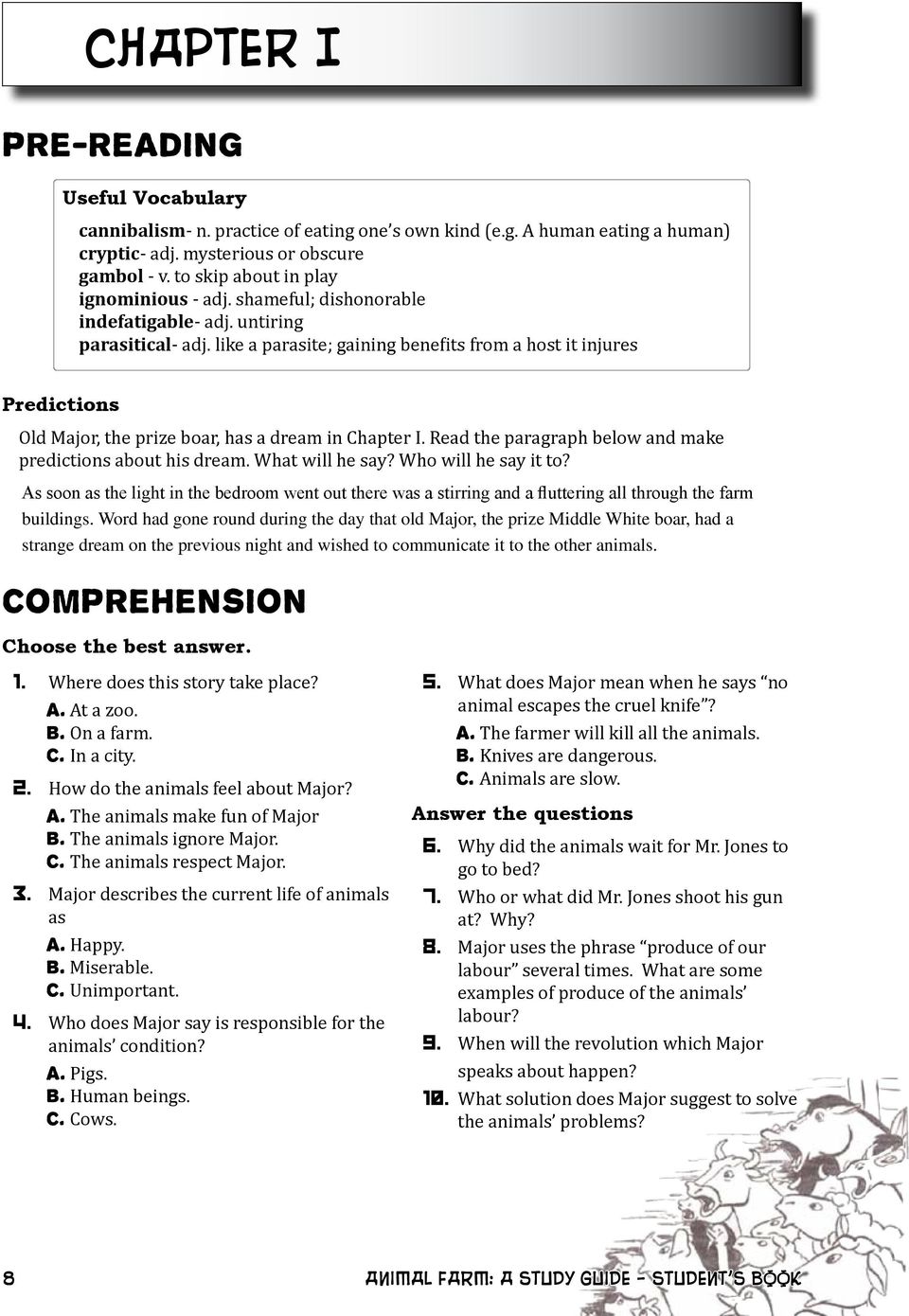 Moreover, the language of a fable comes across as gentle, inviting, and unassuming: the reader feels drawn into the story and can follow the plot easily, rather than having to wade through a self-righteous polemic.
Reaction summaries, included in each chapter on reactions, ensure that students understand and can explain how each reaction occurs. Rate Changes and Kinetics (Appendix 3).
New! Feature, “Organizing What We Know About Organic Chemistry” in each chapter lets students see where they have been and where they are going as they proceed through the course, encouraging them to keep in mind the fundamental reason behind the reactions of all organic compounds: electrophiles react with nucleophiles. Changes to the presentation to reinforce understanding:.
New! Modern design and streamlined narrative allow students to navigate more easily and study more efficiently with the text. With three fewer chapters than the previous edition, an updated organization and presentation allows for a more efficient path through the content and ultimately the course. Chapter on Acid/Base Chemistry (Chapter 2) helps students focus on the fundamental chemical knowledge they need for the rest of the course. Stereoisomers are now covered (Chapter 4) before the students see any reactions. Therefore, the Reaction of Alkenes (Chapter 6) now covers both the reactions of alkenes and the stereochemistry of those reactions. This reorganization also allows the compounds in Group I (alkenes, alkynes, and dienes) to be covered sequentially.
Expansion of resonance coverage and organometallic coverage and their related mechanisms give students a greater depth of understanding of how and why these reactions occur as they do as well as their role in synthetic organic chemistry, drug design, and chemical engineering. Cutting Edge Content has been added to reflect new research, including:.
Updated synthetic organic reactions and mechanisms to make sure they are the most current. An enhanced art program with new annotations and supportive marginal notes provides key information to students so that they can learn and study the most important parts of the chapter by focusing on the visual program. Updated and expanded “Design a Synthesis” sections help students learn to design multi-step synthesis in the context of discussing a functional group's reactivity and facilitate their development of complex problem solving skills. Many multi-step problems include the synthesis of well-known compounds such as Novocain, Valium, and ketoprofen. Categorization of the application boxes under headings of Medical Applications, Biological Applications, and Chemical Applications highlight integration of biologically relevant and industry-specific Organic Chemistry concepts throughout each chapter helping students to remember the relationship of what they’re learning in organic chemistry to real life. Some examples: Why Did Nature Choose Phosphates?, What Makes Blueberries Blue and Strawberries Red?, Why Are Drugs so Expensive?, Influenza Pandemics.
The spectroscopy chapters (Chapters 14 and 15) are written so they can be covered at any time during the course. For those who prefer to teach spectroscopy at the beginning of the course–or in a separate laboratory course–there is a table of functional groups at the beginning of Chapter 14. Many new spectroscopy problems–in addition to the many spectroscopy problems in the text–have been added to the Study Guide/Solutions Manual. Over 200 new problems and problem-solving strategies test students’ cumulative understanding of the materials and require their understanding of more than one chapter’s content.
Addressing the 2015 MCAT: Now that the MCAT will start testing almost exclusively on the organic chemistry of living systems, it is even more important that we prepare students with the “bioorganic bridge”–the material that provides the bridge between organic chemistry and biochemistry. Many of the changes in this edition were done to reflect these changes, while maintaining the rigor of the traditional organic course. New 2015 MCAT learning outcomes have been written and tied to End-of-Chapter Problems and Tutorials available in MasteringChemistry. Information on the chemistry of living systems has been integrated into all chapters. As examples, noncovalent interactions in biological systems has been added to Chapter 3, the discussion of catalysis in Chapter 4 now includes a discussion of enzymatic catalysis, the mechanism for the oxidation of fats and oils by oxygen has been added to Chapter 13, and waxes, membranes and phospholipids are now part of Chapter 16.
Students are introduced to the connection between organic chemistry reactions they have mastered and the organic reactions that occur in cells. A few examples include:.
Pearson Organic Chemistry 7th Edition Solutions Manual Pdf Download
Showing how the first step in glycolysis is an S N2 reaction, the second step is identical to the enediol arrangement that students learned when the studied carbohydrate chemistry, the third step is another S N2 reaction, and the fourth step is a reverse aldol addition, and so on. Showing how the first step in the citric acid cycle is an aldol addition followed by thioester hydrolysis, the second step is an E2 dehydration followed by the conjugate addition of water, and third step is oxidation of a secondary alcohol followed by decarboxylation of a 3-oxocarboxylate ion, and so on. About the Author(s) Paula Yurkanis Bruice was raised primarily in Massachusetts. After graduating from the Girls’ Latin School in Boston, she earned an A.B. From Mount Holyoke College and a Ph.D.

In chemistry from the University of Virginia. She then received an NIH postdoctoral fellowship for study in the Department of Biochemistry at the University of Virginia Medical School and held a postdoctoral appointment in the Department of Pharmacology at Yale Medical School. Paula has been a member of the faculty at the University of California, Santa Barbara since 1972, where she has received the Associated Students Teacher of the Year Award, the Academic Senate Distinguished Teaching Award, two Mortar Board Professor of the Year Awards, and the UCSB Alumni Association Teaching Award. Her research interests center on the mechanism and catalysis of organic reactions, particularly those of biological significance.
Paula has a daughter and a son who are physicians and a son who is a lawyer. Her main hobbies are reading mystery and suspense novels and enjoying her pets (two dogs, two cats, and a parrot).